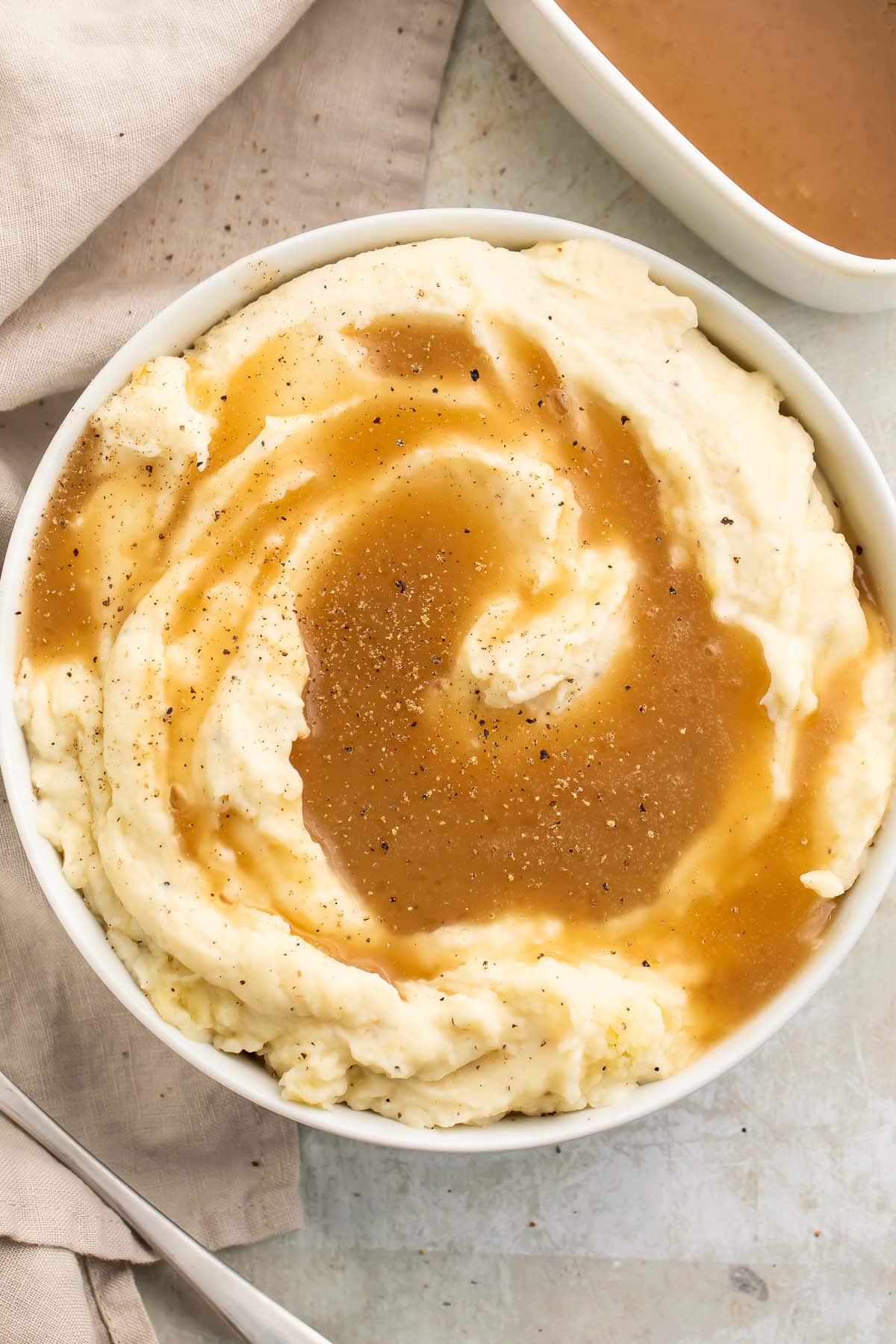
Foolproof Paleo Gravy: Your Step-by-Step Guide to Rich Flavor
There's something uniquely comforting about a rich, savory gravy cascading over your holiday roast or a mound of fluffy mashed vegetables. It's the ultimate culinary hug, tying all the flavors of a meal together. For many, transitioning to a paleo lifestyle meant saying goodbye to this beloved staple, or at least struggling to recreate its magic without traditional flour or cornstarch. I remember those early attempts well – thin, watery disappointments or oddly gummy concoctions that just didn't hit the mark. The frustration was real, but so was the determination to bring that luscious, deep flavor back to my table, paleo-style.
After countless experiments, holiday feasts, and Sunday roasts, I’ve finally perfected a method that is not just foolproof, but genuinely delicious. This isn't just a recipe; it's a comprehensive guide to understanding the science and art behind truly amazing paleo gravy. Whether you're a seasoned chef or a beginner in the kitchen, this article will equip you with all the knowledge you need on
how to make paleo gravy that will impress even the most discerning palate. Get ready to transform your pan drippings into a silky, flavorful masterpiece every single time.
The Quest for Perfect Paleo Gravy: A Culinary Journey
My journey to perfecting paleo gravy was born out of necessity and a deep love for flavor. The convenience of store-bought gravies or traditional flour-thickened versions was no longer an option, but the desire for that umami-rich accompaniment remained strong. The challenge was multifaceted: how to achieve a genuinely thick and smooth texture without gluten, and how to build profound flavor that rivals a slow-simmered classic.
The secret, I discovered, lies in a combination of quality ingredients, precise technique, and a little culinary alchemy. It's about harnessing the incredible flavor already present in your roasting pan, understanding the nuances of grain-free thickeners, and knowing when and how to layer additional aromatics. This guide is the culmination of that journey, breaking down every essential step and sharing the invaluable tips and tricks I've learned along the way. Prepare to elevate your paleo cooking with a gravy so good, you'll forget it's grain-free.
Foolproof Paleo Gravy Recipe: Your Step-by-Step Blueprint
This recipe is designed to be your adaptable go-to, equally perfect whether you're working with drippings from a holiday turkey, a succulent roast chicken, or a hearty beef joint. The core technique remains consistent, promising a smooth, savory result every time.
Essential Ingredients for Unforgettable Flavor
The beauty of exceptional gravy often lies in the simplicity and quality of its components. You don't need a lengthy list of exotic items, just a few key players to build a robust flavor foundation.
*
Pan Drippings: Approximately 1/4 to 1/2 cup. This is your liquid gold! It's the flavorful fat, caramelized bits, and juices left in the roasting pan after your meat has cooked. These drippings are infused with the herbs, spices, and natural flavors of your roast, making them the ultimate base.
*
Paleo-Compliant Broth or Stock: 2 cups. Opt for a high-quality chicken, turkey, or beef broth. Homemade is always superior, offering unparalleled depth, but a good store-bought brand (check labels carefully for added sugars, MSG, or non-paleo ingredients) works wonderfully. Choose a low-sodium option if possible, as you'll adjust seasoning later.
*
Paleo Thickener: 2-3 tablespoons of arrowroot starch or tapioca starch. These natural, grain-free alternatives are the secret to that classic, luscious consistency. We'll delve deeper into their individual characteristics and proper usage shortly.
*
Seasoning: High-quality sea salt and freshly ground black pepper to taste. Always taste as you go!
*
Optional Flavor Boosters: A sprig of fresh thyme or rosemary, a bay leaf, a pinch of dried sage, a tablespoon of finely minced shallots or garlic (sautéed gently before adding broth), or a splash of coconut aminos for an extra umami kick.
Master the Method: A Step-by-Step Guide
Follow these steps diligently, and you'll be rewarded with a perfect paleo gravy. The magic lies in building layers of flavor and incorporating the thickener correctly to avoid any lumps.
1.
Harvest the Pan Drippings: Once your roast is out of the pan and resting, carefully pour the pan drippings into a heatproof glass measuring cup or a fat separator. Allow it to sit for a few minutes, which will allow the fat to separate and rise to the top.
2.
Deglaze the Pan: While the drippings are separating, place the roasting pan directly over two burners on your stovetop (if it's stovetop-safe) set to medium heat. Pour in about 1/2 cup of your chosen broth. Using a wooden spoon or a whisk, vigorously scrape up all those beautiful browned bits – the "fond" – from the bottom of the pan. This is where immense flavor lives! Keep scraping until all the fond is dissolved into the liquid. This process extracts every last drop of deliciousness.
3.
Separate the Fat: From your measuring cup, carefully spoon off or pour out the majority of the separated fat from the top of the drippings, leaving about 1-2 tablespoons of fat and all the flavorful juices and browned bits at the bottom. The goal is to remove excess grease but retain enough fat for richness and mouthfeel.
4.
Combine & Simmer: Pour the deglazing liquid from your roasting pan into a saucepan. Add the reserved flavorful pan juices (the non-fat portion) from your measuring cup. Stir in the remaining 1 1/2 cups of broth. Bring the mixture to a gentle simmer over medium heat. If using optional aromatics like thyme or bay leaf, add them now. Let it simmer gently for 5-10 minutes to allow the flavors to meld and slightly reduce, concentrating the taste.
5.
Prepare the Thickener Slurry: In a small bowl, whisk together 2 tablespoons of your chosen paleo starch (arrowroot or tapioca) with 2 tablespoons of *cold* water or broth until completely smooth and lump-free. This is crucial for a silky gravy. Adding the starch directly to hot liquid will cause instant clumping.
6.
Thicken the Gravy: Slowly pour the starch slurry into the simmering gravy in the saucepan while continuously whisking vigorously. Continue to whisk for 1-2 minutes until the gravy visibly thickens to your desired consistency. If it's not thick enough, you can make another small slurry with 1 tablespoon of starch and 1 tablespoon of cold liquid and gradually whisk it in until perfect. Be careful not to over-thicken.
7.
Season & Serve: Remove any optional herb sprigs. Taste the gravy and adjust seasoning with salt and freshly ground black pepper as needed. A pinch more salt can truly awaken the flavors. Serve hot over your favorite paleo dishes like roasted vegetables, mashed cauliflower, or alongside your beautiful roast.
Unlocking Deep Flavor & Perfect Texture: Paleo Gravy Secrets
Achieving a truly exceptional paleo gravy goes beyond just following a recipe. It involves understanding the role of each ingredient and mastering specific techniques.
The Power of the Fond: Maximizing Pan Drippings
The browned, caramelized bits stuck to the bottom of your roasting pan after cooking meat are culinary gold – this is the "fond." These bits are packed with concentrated flavor developed through the Maillard reaction. Neglecting to scrape them up is akin to leaving flavor on the table. Deglazing the pan with broth not only cleans your pan but, more importantly, dissolves this fond, incorporating its rich, savory essence into your gravy. For a deeper dive into harnessing this flavor, check out our article:
Make The Best Paleo Gravy: Unlock Deep Flavor from Pan Drippings.
Navigating Paleo Thickeners: Arrowroot vs. Tapioca
Both arrowroot starch and tapioca starch are excellent grain-free alternatives for thickening, but they have subtle differences:
*
Arrowroot Starch: Creates a very clear, glossy, and smooth gravy. It thickens well and holds its consistency. However, it can break down and lose its thickening power if boiled vigorously for too long after being added, or if frozen and thawed. It's best added to gently simmering liquids.
*
Tapioca Starch: Also produces a clear, slightly glossy finish, but can sometimes yield a slightly "stringier" texture if overused or over-whisked. It's a bit more forgiving with heat than arrowroot but can still be affected by prolonged boiling.
For the best results with either, always create a "slurry" with cold liquid before adding it to your hot gravy. This prevents lumps and ensures even dispersion. Start with the lower end of the recommended amount and add more gradually if needed. Learn more about these fantastic alternatives in our detailed guide:
Grain-Free Gravy Secrets: Achieve Perfect Texture with Paleo Thickeners.
Beyond the Basics: Elevating Your Gravy's Taste Profile
While pan drippings provide an incredible base, you can always deepen the flavor further:
*
Aromatics: Sautéing finely minced shallots, garlic, or even mushrooms in a little fat before adding broth can add wonderful layers of savory goodness.
*
Herbs: Fresh sprigs of rosemary, thyme, or sage infused during the simmering stage impart elegant, complementary notes.
*
Umami Boosters: A dash of coconut aminos, a spoonful of nutritional yeast, or even a tiny amount of mushroom powder can amplify the savory depth without changing the flavor profile dramatically.
*
Wine/Cider: For an extra layer of sophistication, deglaze the pan with a splash of dry red wine, white wine, or apple cider before adding broth. Allow it to reduce by half to concentrate the flavor and cook off the alcohol.
Troubleshooting Common Paleo Gravy Challenges
Even with the best intentions, things can sometimes go awry. Here’s how to fix common paleo gravy mishaps:
*
Gravy is Too Thin: If your gravy isn't thick enough after adding the initial slurry, simply make another small slurry (1 tablespoon starch + 1 tablespoon cold liquid) and gradually whisk it into the simmering gravy until it reaches your desired consistency. Alternatively, continue to simmer the gravy gently to reduce it further, concentrating both flavor and thickness.
*
Gravy is Too Thick: No problem! Slowly whisk in a little extra warm broth or water until it thins to your preferred consistency.
*
Lumps in Gravy: Lumps usually form when starch is added directly to hot liquid without creating a proper slurry first. To fix this, you can pour the lumpy gravy through a fine-mesh sieve or use an immersion blender to smooth it out. Prevention is key: always make a lump-free slurry with cold liquid.
*
Gravy Lacks Flavor: If your gravy tastes bland, it likely needs more seasoning. Add a pinch more salt and pepper, or consider whisking in a splash of coconut aminos, a dash of onion or garlic powder, or a bit more concentrated broth.
*
Gravy is Greasy: This means you didn't remove enough fat from your pan drippings. Skim any excess fat off the top of the finished gravy with a spoon, or let it cool slightly in the fridge, then lift off the solidified fat.
Embrace the Paleo Gravy Revolution
Mastering
how to make paleo gravy is a game-changer for anyone following a grain-free lifestyle. It opens up a world of culinary possibilities, allowing you to enjoy all the comforting richness of traditional gravy without compromising your dietary principles. By understanding the foundational role of pan drippings, the delicate balance of paleo thickeners, and the art of building layers of flavor, you can confidently create a gravy that is not just acceptable, but truly exceptional. So, next time you roast a chicken or turkey, don't let those precious pan drippings go to waste. Turn them into a glorious, foolproof paleo gravy that will undoubtedly become a treasured addition to your table. Happy cooking!